
Southern Colombia: The convergence of the Andes and the Amazon.
Updated: Feb 4
Southern Colombia is one of the most biologically diverse regions in the country and a remarkable meeting point between three major ecosystems: the Andes, the Amazonian foothills, and the lowland Amazon rainforest. This convergence creates a complex mosaic of habitats across a relatively small geographic area, resulting in an exceptionally rich bird community.

From montane cloud forests to humid foothill slopes and the Amazonian forests in the lowlands, the region supports a stunning variety of Andean and Amazonian species, many of them highly localized and sought after by birdwatchers.

In Scott´s words:
This was my sixth trip to Colombia under the guidance of Alejo Pinto, operator and owner of Tanager Photo Tours. One word describes all of these trips to Colombia- magical. This trip offered different worlds to explore- the Andes up to 7,500 ft. plummeting down to the lowland Amazon biome and ending in the eeriness of the Amazon forest. The trip started with spectacular Golden-eared Tanagers and ended with Pygmy Marmosets. The magic happens as these adventures are designed to allow time and lodging opportunities to “see Colombia”. Discussions with my Colombian hosts ranged from mandalas, Gabriel Garcia Marquez, the medicinal value of dragon fruit and all of this wrapped around the drinking of locally sourced coffee and anticipating the next texture and flavor of an arepas.

Our birding journey explored several key sites within this biodiversity hotspot. We visited the Drymophila Reserve a family owned conservation project, located in the buffer zone of Guácharos National Natural Park, where sub-Andean and montane forests shelter a wealth of range-restricted birds, here the 50 hectares of forest are home for more than 300 bird species including several range restricted, our biggest surprise was the Schwartz´s Anthrush walking along the forest path, but other birds includes: Tolima Blossomcrown, Tolima Dove, Red-bellied Grackle, Flame-faced Tanager, White-bellied Antpitta, East-andean Antbird among others.

Around the city of Mocoa and along the legendary road known as El Trampolín de la Biodiversidad, we experienced one of Colombia’s most dramatic ecological gradients, with constant changes in elevation reflected in the birdlife encountered, by simply drive along this 30km road from Mocoa to the top locally known as "Filo de Hambre" you get birds from the amazon and the high Andes.

Despite the SUPER FOGGY day, here is where we spotted over 70 species including the iconic Andean Cock of the Rock, Deep-blue Flowerpiercer, White-rimmed Brush-Finch, Yellow-throated Tanager, Yellow-throated and Short-billed Chlorospingus and the amazing Orange-eared Tanager among many others.


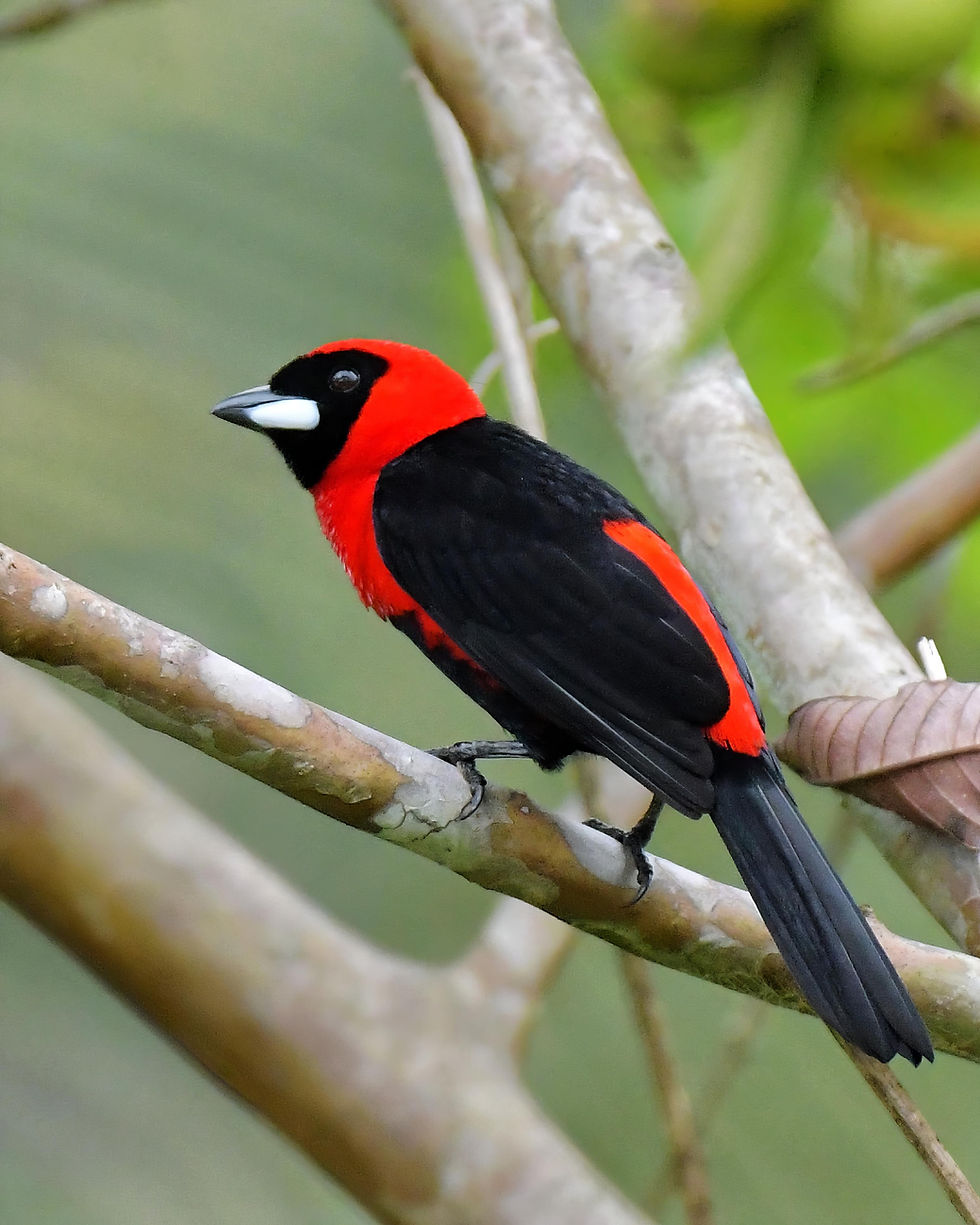
The trip concluded in the Amazonian lowlands, where two local reserves offered access to Amazonian rainforest habitats and completed a continuous journey from the Andes to the Amazon. These local reserves: Amazon´s Birds and Playa Rica are extremely important for birds and wildlife conservation, due to the loss of forest but also in order to promote communitary-based conservation programs. here we spotted some interesting birds like: Riparian Antbird, Plumbeous Antbird, Masked Crimson Tanager, Turquoise Tanager, Cream-colored Woodpecker, White-eared Jacamar, Butterfly Coquette and the enigmatic Ecuadorian Cacique.


Iconic Encounters
Among the most memorable moments of the trip were encounters with several iconic and highly desired species. In the cloud forests of the Andean slopes, the striking Deep-blue Flowerpiercer and the elusive White-rimmed Brush Finch stood out as highlights, both emblematic of the region’s specialized highland avifauna. Lower along the foothills, vivid flashes of color revealed the Coppery-chested Jacamar, while the subtle and well-camouflaged Black-streaked Puffbird offered rewarding views for patient observers.

One of the undisputed highlights was the spectacular Crested Quetzal, encountered in mature montane forest, a species that perfectly symbolizes the richness of Andean cloud forests. In contrast, the Amazonian lowlands produced equally exciting sightings, including the secretive Riparian Antbird, closely associated with river-edge habitats.

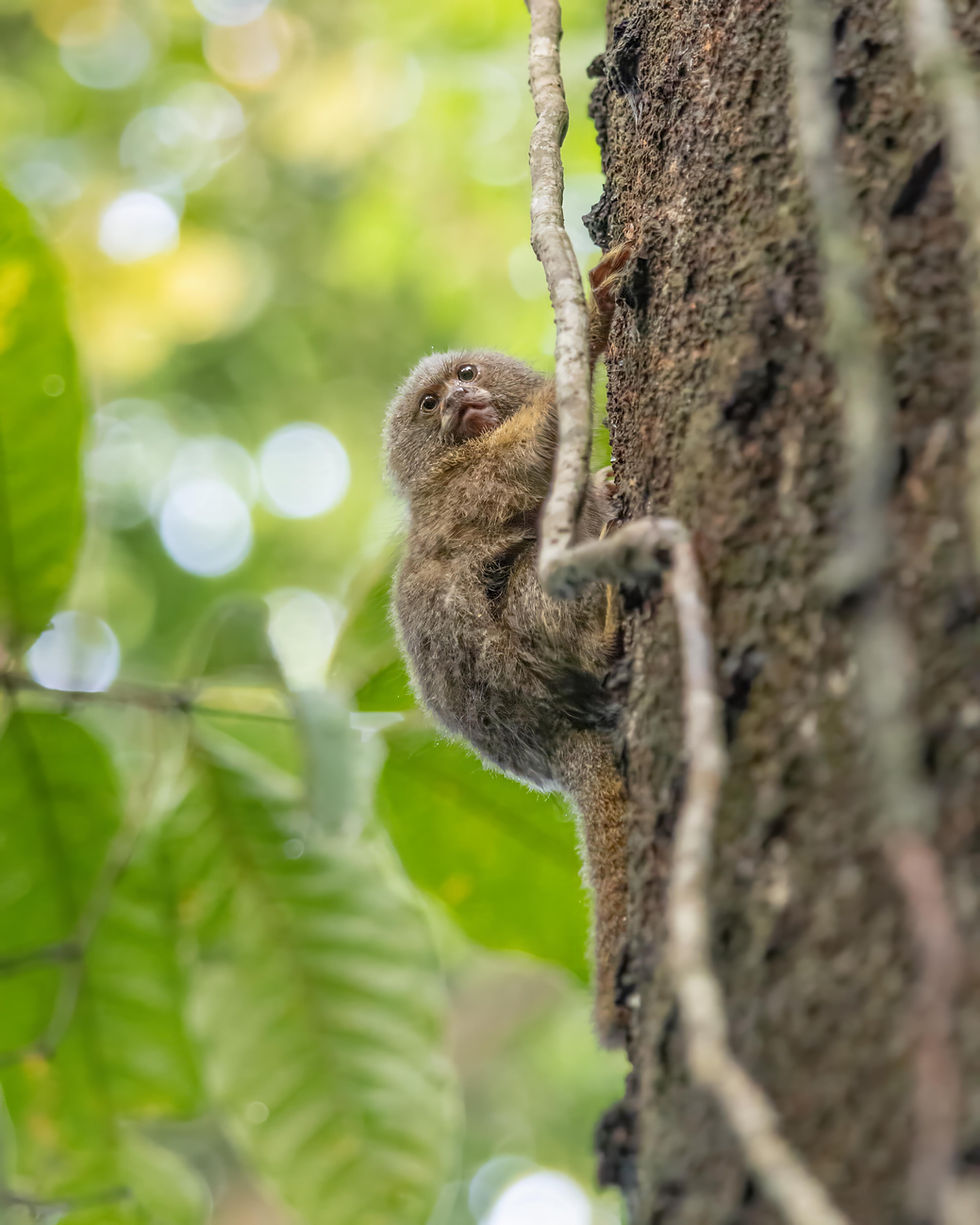
Beyond birds, the journey was enriched by unforgettable mammal encounters. Along forested rivers, groups of Humboldt’s Woolly Monkeys were observed moving gracefully through the canopy, while a close encounter with a tiny Pygmy Marmoset provided a memorable glimpse into the extraordinary primate diversity of the Amazon.


eBird checklist! https://ebird.org/tripreport/466027


Comments