
Birding Brazil's Atlantic Forest: 320 species Across Serra do Mar and Mantiqueira
Participants: Suzanne & Daniel
Tour Leaders: Alejandro Pinto & Alex Mesquita

The Atlantic Forest it is one of the most rewarding destinations in South America. Stretching along Brazil's eastern coast and climbing into the dramatic mountain ranges of southeastern Brazil, this biodiversity hotspot harbors an extraordinary concentration of endemic birds found nowhere else on Earth.
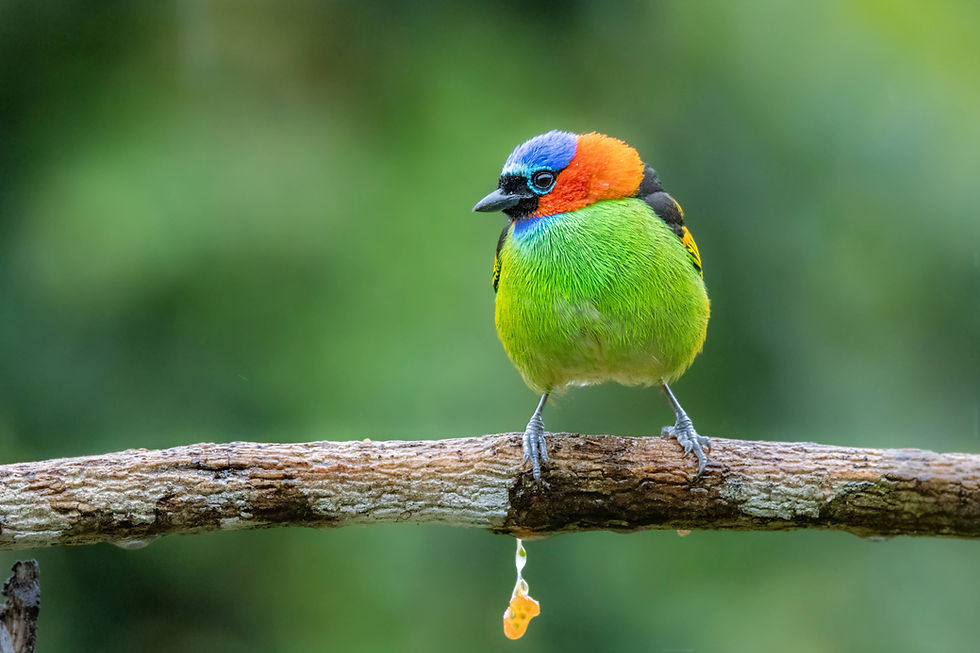
Our recent birding journey through the Atlantic Forest took us across some of the region's most celebrated birding destinations, from the lowland forests of the Serra do Mar to the cloud forests, Araucaria woodlands, and high-altitude grasslands of the Mantiqueira Mountains. Over the course of the tour, we explored a remarkable variety of habitats and recorded an impressive 320 bird species, including many of Brazil's most iconic endemics.

A Diversity of Habitats, A Diversity of Birds
One of the greatest strengths of birding southeastern Brazil is the extraordinary variety of ecosystems found within a relatively small geographic area.

Our adventure began in the vast protected forests of Legado das Águas, one of the largest continuous tracts of Atlantic Forest remaining in southeastern Brazil. the forest is loaded with antbirds, foliage-gleaners, woodcreepers, and colored tanagers.

The coastal region around Ubatuba provided a striking contrast, where lush rainforest descends almost to the Atlantic Ocean. Here we enjoyed exceptional birding along forest roads, trails, and feeding stations, with colorful hummingbirds, tanagers, and toucans often providing unforgettable photographic opportunities.

The wetlands and forest patches around Salesópolis, including the renowned Sítio Macuquinho, introduced us to a different suite of species associated with marshes, secondary forests, and forest edges. These habitats added significantly to our growing species list while showcasing the ecological diversity of the Atlantic Forest landscape.

As we climbed into the Mantiqueira Mountains, the scenery changed dramatically. Mist-covered forests, rugged peaks, and cool mountain air accompanied us into the famous highlands of Itatiaia National Park. For generations, Itatiaia has been considered one of South America's premier birding destinations, and it once again lived up to its reputation.

The legendary Agulhas Negras Road provided access to montane forests and high-elevation grasslands, where several range-restricted species occur. Every stop gave us new birds and spectacular vistas, reminding us why this region remains a pilgrimage site for birdwatchers from around the world.

Our final days in Campos do Jordão introduced us to one of the Atlantic Forest's most distinctive habitats: the Araucaria forests. Dominated by the iconic Paraná Pine, these cool highland forests support a unique bird community found nowhere else in Brazil. Nearby marshes and open habitats added even more diversity, helping push our final tally to an impressive 320 species.


Endemics Take Center Stage
The Atlantic Forest is renowned for its exceptional levels of endemism, and throughout the tour we encountered an impressive array of species restricted to Brazil or to the Atlantic Forest biome itself.

From tanagers and hummingbirds to secretive antbirds and tapaculos, each day delivered encounters with birds that many participants had long hoped to see. The region's remarkable concentration of endemic species is one of the reasons it ranks among the world's greatest birdwatching destinations.

Equally rewarding was the opportunity to observe birds across a wide range of ecological settings, from dense lowland rainforest and cloud forest to Araucaria woodland and alpine grassland. This habitat diversity not only increases species richness but also provides a deeper understanding of the evolutionary history that has made the Atlantic Forest such an extraordinary center of biodiversity.

Conservation and Hope
Although the Atlantic Forest has been reduced to a fraction of its original extent, it remains one of the world's most important conservation success stories. Protected areas such as Legado das Águas and Itatiaia National Park, together with private reserves and sustainable ecotourism initiatives, play a crucial role in safeguarding the future of countless endemic species.
Throughout the journey, participants witnessed firsthand the importance of these conservation efforts. Every endemic bird observed serves as a reminder of the value of protecting the forests that sustain this remarkable biodiversity.

A Memorable Journey
By the conclusion of the tour, our group had recorded 320 bird species while exploring some of Brazil's most spectacular landscapes. Beyond the numbers, however, the experience was defined by the quality of the birding, the beauty of the habitats, and the shared excitement of discovering new species day after day.

From the rainforests of Serra do Mar to the high peaks of the Mantiqueira Mountains, this journey showcased the incredible richness of Brazil's Atlantic Forest and reinforced its status as one of the finest birdwatching destinations on the planet.

For birdwatchers seeking endemic species, breathtaking scenery, and unforgettable encounters with nature, few destinations can rival the Atlantic Forest of southeastern Brazil.
The best awards!
According to our participants these are the best birds of the trip: Crescent-chested Puffbird, Sharp-tailed Streamcreeper, Black-banded Owl and Blond-crested Woodpecker.

Best shows: Red-legged Seriema, Streamer-tailed Tyrant and Red and White Crake


Best surprise bird: Large-tailed Antshrike and Ruddy Quail Dove

Best place to stay: Ninho da Cambacica, great food and people.

Best birding spot Legado das Aguas: whit 150 species recorded in 3 days!


Check out our trips in Brazil!


Comments